




Industry Overview
Agricultural water conservancy is the basic supporting project for modern planting and stable grain output. As special pumps for clean water transportation, clean water pumps are widely applied in seven major clean water working conditions: high-standard farmland irrigation, orchard sprinkling, greenhouse drip irrigation, deep well water intake, rural safe drinking water, water transfer from reservoirs and rivers, and water circulation for aquaculture. The conveyed medium is clean water without strong corrosion from rivers, deep wells and reservoirs, free of high-concentration sludge and chemical pollutants. High requirements are put forward on pump cleanliness, energy efficiency and resistance to slight sediment.
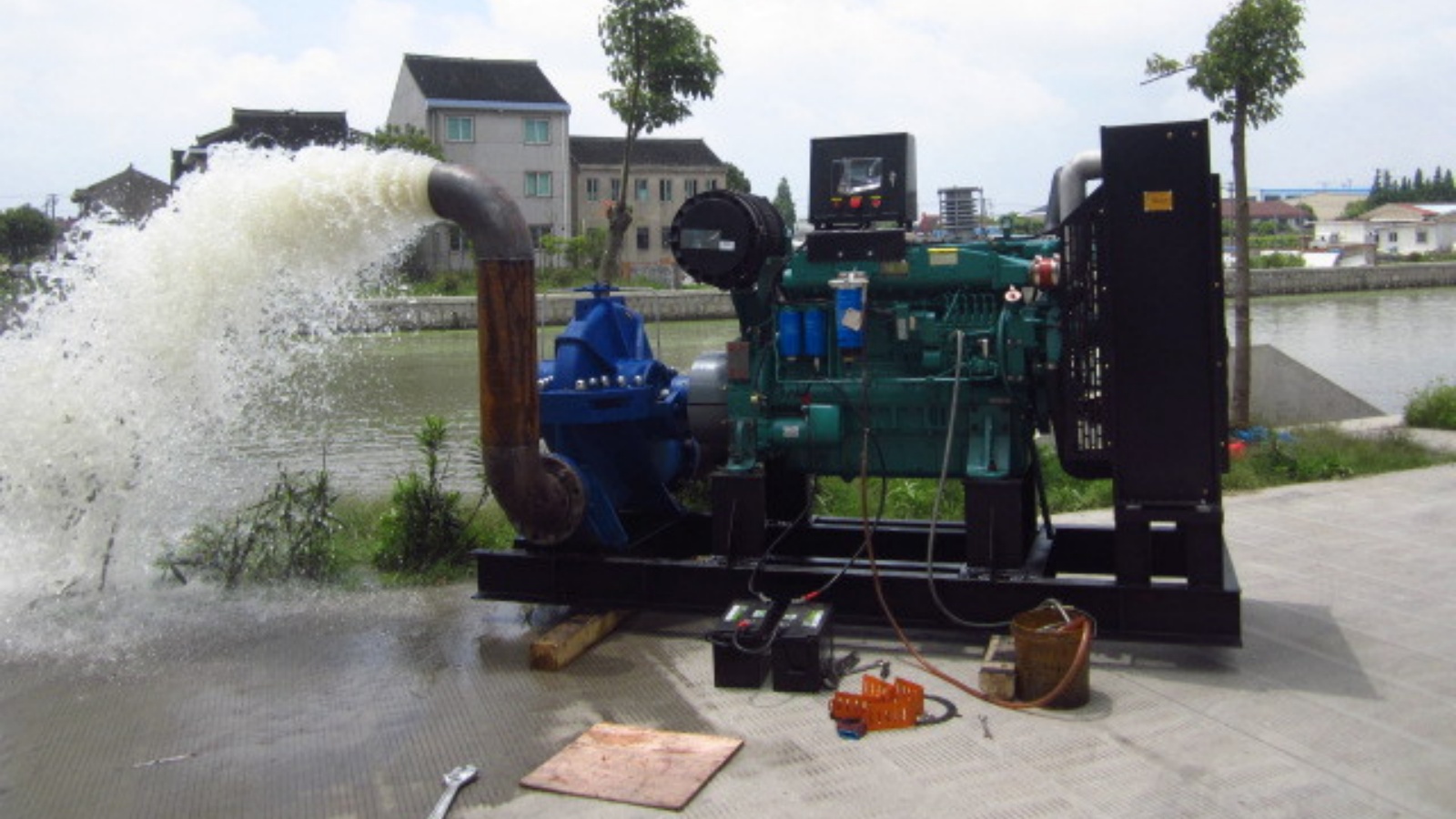
■ Recommend Split Case Centrifugal Pump
Industry Challenges
- Manual priming required for every irrigation, time-consuming;
- Foot valve easily clogged & leaking by sediment, frequent breakdowns;
- Cavitation & suction failure when drawing water from low-level rivers/ponds;
- Troublesome hoisting & disassembly for mobile flood/drought pump units;
- High civil cost for cisterns & water tanks on scattered farmland;
- Slight air leakage in field pipelines leads to complete water cut-off;
- Full pipeline disassembly required for field maintenance, long downtime;
- Insufficient spray pressure for orchards, high energy cost of multi-pump series.
Key Advantages
One-time priming at first startup, no repeated water filling later;
No foot valve needed, built-in gas-liquid chamber to reduce pipeline faults;
4-5.5m standard suction lift, auto exhaust air for stable delivery;
Dry ground mounting, optional trailer wheels for fast site transfer;
Direct water intake from low sources, no extra water storage infrastructure;
Built-in gas-liquid separation, continuous water supply with mixed air;
Back pull-out structure, replace wearing parts without pipeline disassembly;
High single-unit head, directly meet spray pressurization demand.
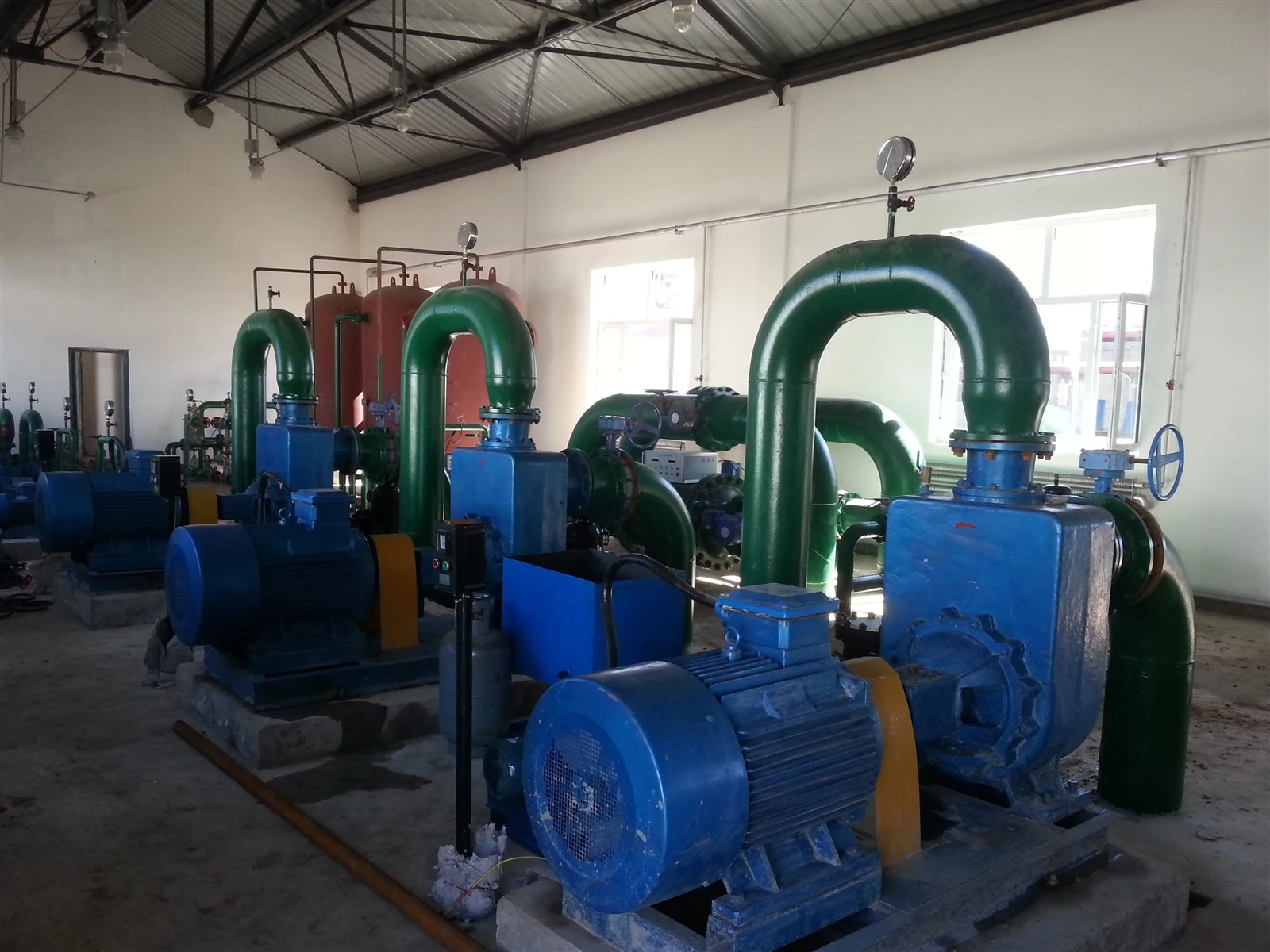
Application diagram of ZX Self qualifying Water Pump project
RFQ
The farm pump house has limited space, which pump takes less floor space and is easy to install?
KCL vertical inline pump is the optimal choice. Its inlet and outlet are on the same axis, which can be installed inline like a valve, saving over 40% floor space compared with horizontal pumps. No large concrete foundation is required, and simple brackets support installation with short construction time, suitable for greenhouses and small field pump houses.
There is no dedicated pump house, can the pump be installed outdoors directly?
Yes. The motor is equipped with standard IP55 dustproof and waterproof protection class, and an optional rain cover supports long-term outdoor installation. The whole pump structure resists sun and rain exposure, eliminating the need for pump houses for field outdoor pumping stations and cutting civil construction costs.
Will the pump wear out or clog easily if river or well water contains sediment?
Pumps with wide closed impellers are adopted, featuring strong sediment passing capacity to avoid winding and silting. Wetted parts can be cast iron or 304 stainless steel; stainless steel resists sediment abrasion and rust to greatly extend service life. A pre-filter can be installed for water with high sediment content.
The irrigation well water contains slightly corrosive minerals, which material should the pump body adopt?
SS304 stainless steel wetted parts are preferred for slightly corrosive water sources, which are rust-free and will not contaminate irrigation water. Cast iron pumps with higher cost performance are suitable for ordinary non-corrosive well and river water. 316 stainless steel can be customized for water with high mineralization.
For water intake from deep wells and delivery to farmland, which one pump should we choose?
Self-priming clean water pumps are selected when the water level is 4~7 meters below the pump installation plane, requiring no foot valve or manual priming before startup.
Can clean water pumps drain accumulated farmland water during rainy seasons?
Clean water pumps are only suitable for accumulated clean water without massive sludge or weeds. Sewage pumps or submersible axial flow pumps are recommended for water mixed with sludge and straw debris, whose large-channel impellers avoid clogging and finish large-area waterlogging drainage rapidly.
For exported overseas agricultural irrigation projects, can pumps be customized for local voltage and frequency?
Customization for mainstream global voltage and frequency is available, including 380V/50Hz, 400V/60Hz, 220V/60Hz etc. Motors and flanges can comply with national standards such as GOST and IEC, with English nameplates and technical documents provided.