




Industry Overview
- The oil & gas industry covers the full industrial chain including oil and gas extraction, oilfield water injection, gathering & transportation, petrochemical refining and oil depot storage & handling. It represents a typical working condition with high pressure and flammable & explosive media.
- As core transmission equipment, various special pumps are applied to convey crude oil, refined oil, oilfield wastewater, injection water and chemical additives. Strict standards are required for pumps in oil & gas sites, including explosion-proof grade, reliable sealing, oil & corrosion resistance and high pressure bearing rating. High-pressure water injection pumps and screw pumps are widely used in oil extraction; explosion-proof centrifugal oil pumps serve for gathering and depot transportation; corrosion-resistant magnetic pumps and high-temperature oil pumps are adopted in refining workshops.
- All units comply with CT4 / BT4 explosion-proof standards and can be equipped with explosion-proof variable frequency control cabinets, adapting to all-weather outdoor environments with low temperature, heavy dust and 24-hour continuous operation. Streamlined structure minimizes potential failure points, and universal spare parts greatly cut long-term maintenance costs for oilfield projects.
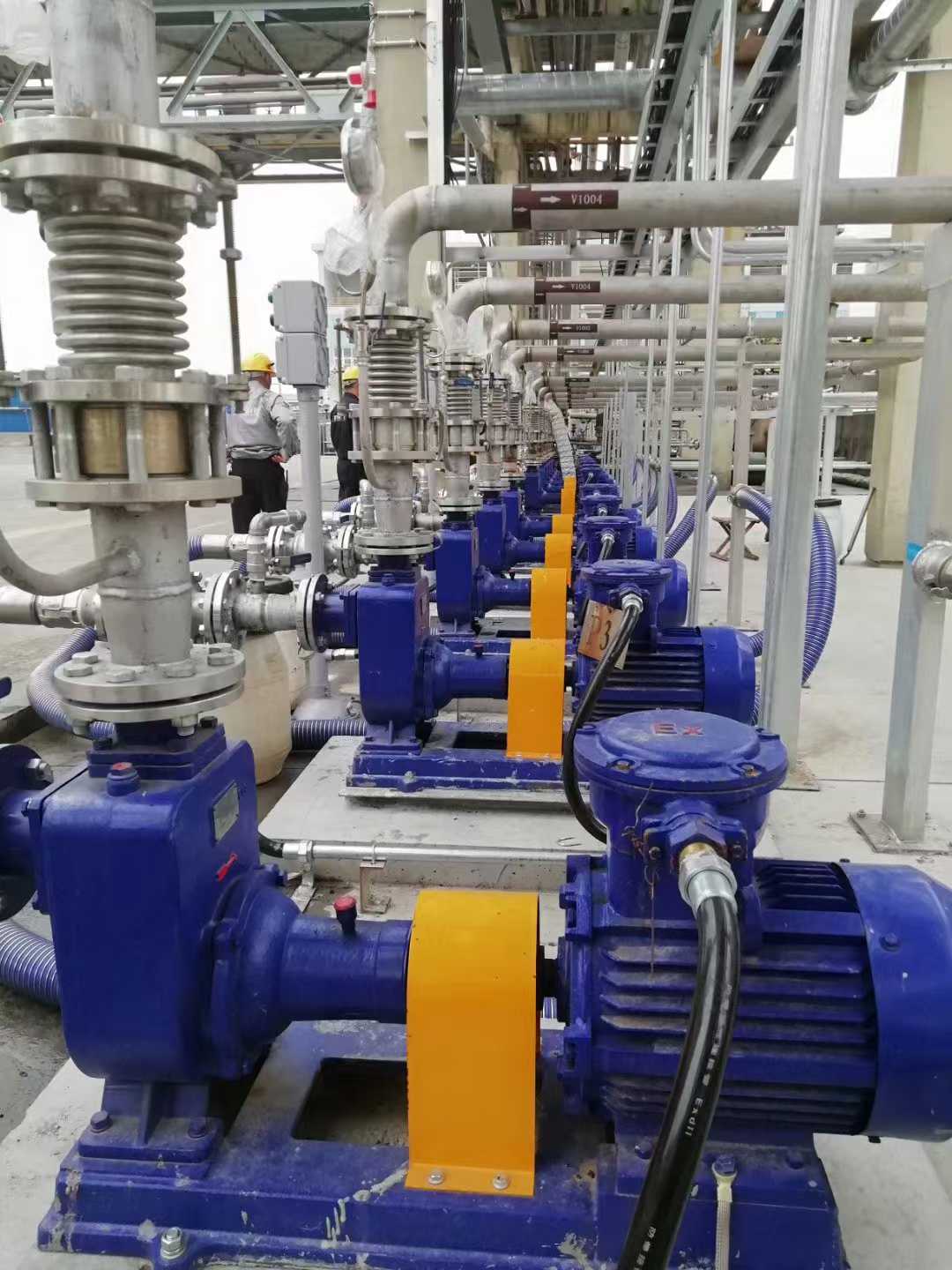
■ Recommend CYZ-A Slef-piming Oil Pump
Industry Challenges
Conventional centrifugal pumps lack self-priming capacity, requiring foot valves and pre-filling oil every startup, easily causing vapor lock during tank truck unloading and tanker stripping.
Traditional pump systems require numerous auxiliary valves, raising pipeline costs and leakage risks of flammable oil.
Open-air oil depots and docks have limited space without dedicated pump houses.
Flammable light oil media face high safety risks caused by leaking shaft seals.
Complicated pump structures bring frequent breakdowns and expensive maintenance in remote oil stations.
Severe vibration and loud noise accelerate wear during 24-hour continuous operation.
Key Advantages
1. Excellent self-priming performance, multi-function for oil transfer & tank stripping; one-time priming for long-term use.
2. Simplified pipeline system without foot valves or safety valves, lowering construction and pipeline investment.
3. Explosion-proof configuration compatible with gasoline, diesel, jet fuel and other flammable light oil products.
4. Space-saving integrated structure, outdoor installation available without pump house.
5. Simple disassembly and maintenance, universal affordable spare parts to reduce operational expenditure.
6. High hydraulic efficiency, low vibration and noise, reliable for non-stop 24h oil loading & unloading.
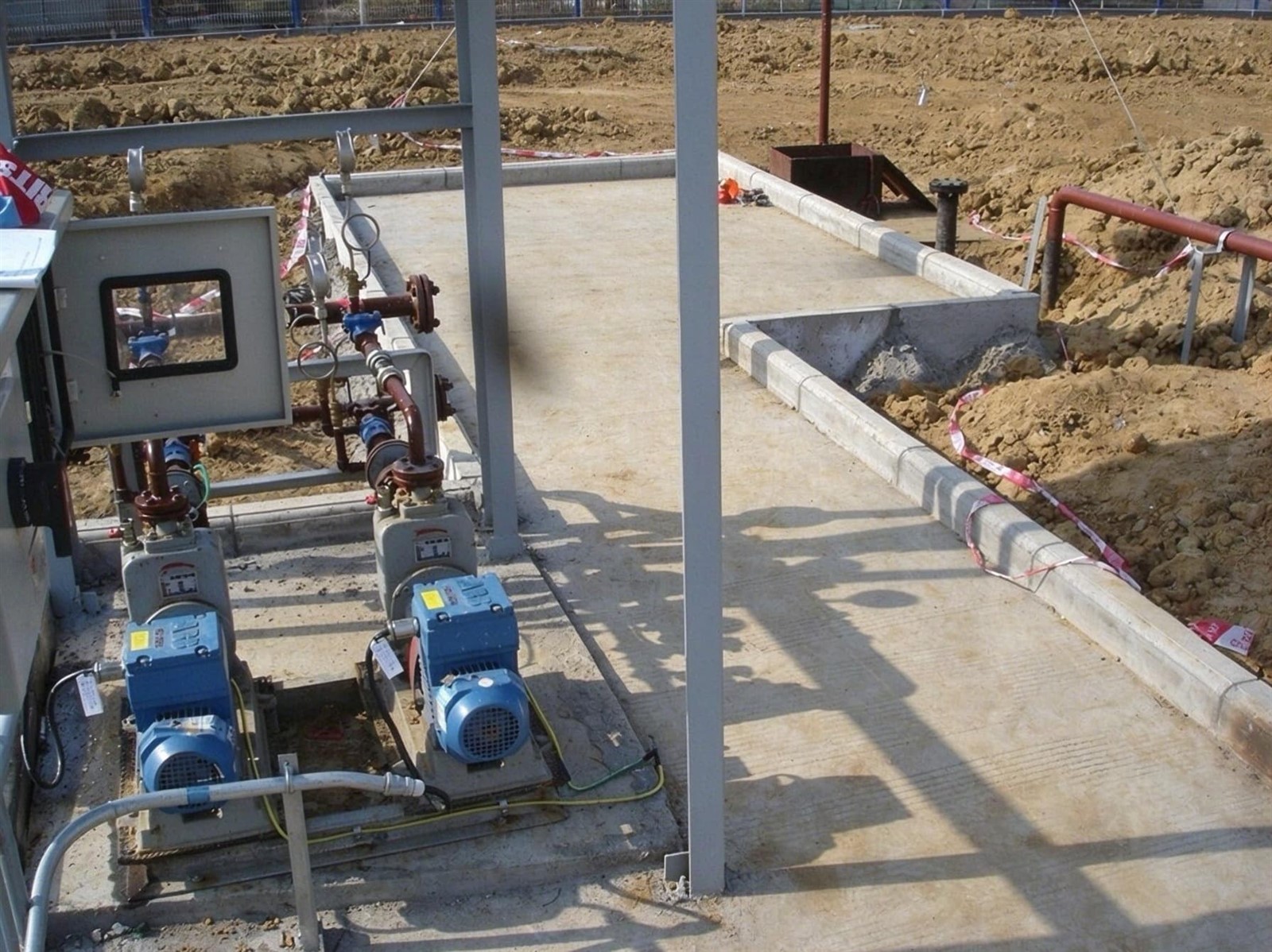
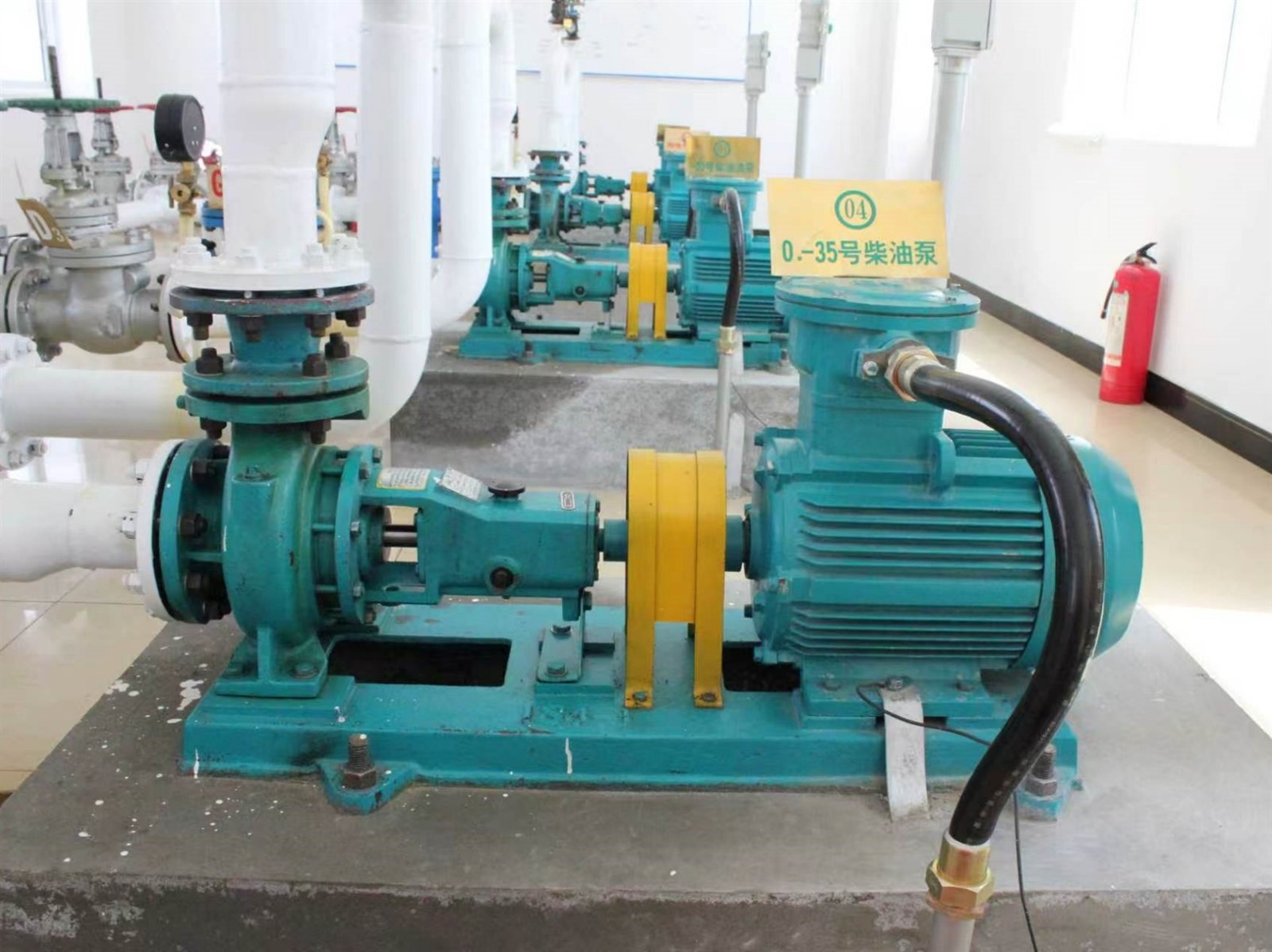
Application diagram of CYZ-A Slef piping Oil Pump project
RFQ
Do I need to install a foot valve for CYZ-A self-priming oil pump? What is its maximum suction lift?
No foot valve is required. It can realize continuous self-priming after one-time priming oil filling. The maximum suction lift reaches 5-6.5 meters. It can separate oil and gas automatically to avoid vapor lock and completely drain residual oil at tank bottoms.
Is Ex d II BT4 sufficient for pumps transporting crude oil and gasoline? Do we need Ex d II CT4?
ExdIIBT4 is acceptable for conventional light crude oil and diesel without hydrogen sulfide. Ex d II CT4 is mandatory for media containing hydrogen sulfide, highly volatile light oil or associated natural gas. CT4 features a higher gas group rating and covers all flammable & explosive oil/gas mixtures with greater safety margin. CT4 motors are the preferred option for oil & gas station projects.
For explosion-proof motors operating outdoors all year round, which protection class is better, IP55 or IP65?
IP55 is standard for ordinary outdoor pump stations with optional rain covers. IP65 is recommended for coastal salt fog areas, high-humidity LNG gasification stations and seaside loading terminals. It delivers superior water & dust resistance against salt fog corrosion and extends motor service life.
Oilfield wastewater contains oily sludge and sediment, ordinary clean water pumps clog easily, how to select pumps?
Centrifugal or self-priming oily sewage pumps with wide-channel impellers are recommended. The enlarged flow passages prevent silt and oily sludge deposition. Pre-filters can be matched as auxiliary equipment. Submersible sewage oil pumps are optional for wastewater with heavy sludge to resist winding and clogging.
Can multiple pumps be connected in parallel or series for long-distance pipeline boosting?
Yes. Parallel connection of multiple pumps increases total flow for large-volume pipeline transportation; series connection boosts total head for long-distance oil & gas delivery with large elevation difference. Variable frequency control cabinets can be matched for automatic linkage adjustment of flow and pressure.
Our oil depot operates 24/7 oil loading and unloading. Can the pump run continuously nonstop? Is vibration and noise obvious?
The impeller has undergone dynamic and static balance calibration, running smoothly with low vibration and noise, supporting continuous operation 24 hours a day, and with lower bearing and sealing losses.
Our remote oil station lacks maintenance staff. Is later maintenance troublesome? Are spare parts expensive?
Streamlined design removes redundant parts with fewer potential failure points. Spare parts such as bearings and seals are universal and cost-effective. Disassembly and repair are simple for on-site workers, cutting long-term maintenance costs.